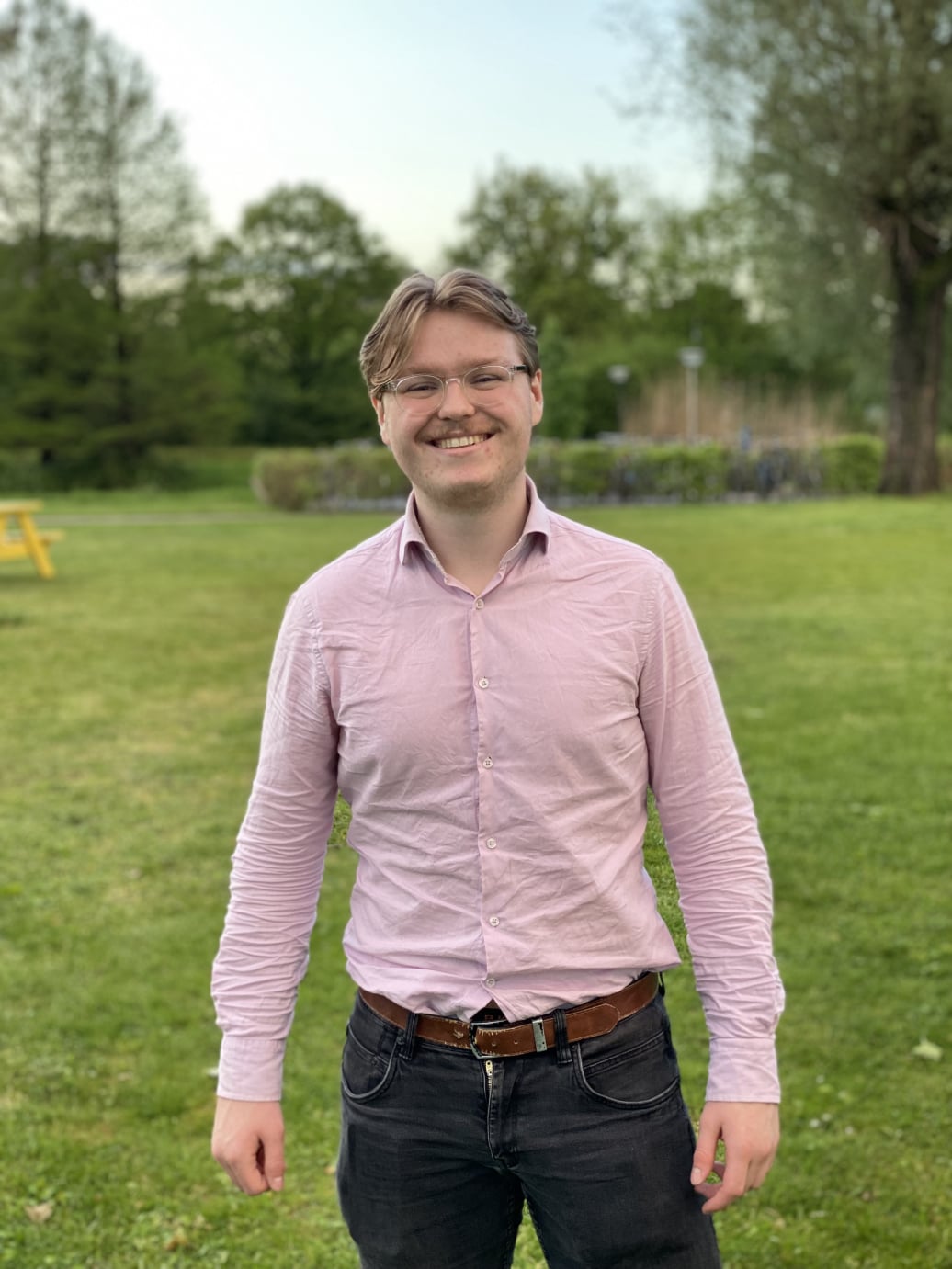
Hi, I'm Joost
I'm a UX designer who employs high-fidelity design, visualization and strategic design thinking to approach problems through a designerly lens
I'm a UX designer who employs high-fidelity design, visualization and strategic design thinking to approach problems through a designerly lens

My name is Joost de Vries. I’m an Industrial Designer with a particular interest in (user)-experience design and the design to business process. I've developed an efficacy for 3D which is a constantly developing skill enabled by software such as Blender, Unity and Photoshop. It allows me to bring visions to life and channel my intent for any given experience by creating unique and handmade styles.
In contrast to this, I’ve also acquired a keen interest in business design. Learning the principles of applying design to a market and how to reach your users. Emphasizing the importance of brand identity has enabled me to channel my visionary skills into branding as well. I've previously excelled in the business side of design thanks to my creative capacity to generate novel ideas, transform them into 3D visualizations, and effectively pitch and present these concepts to theoretical stakeholders and real businessmen.
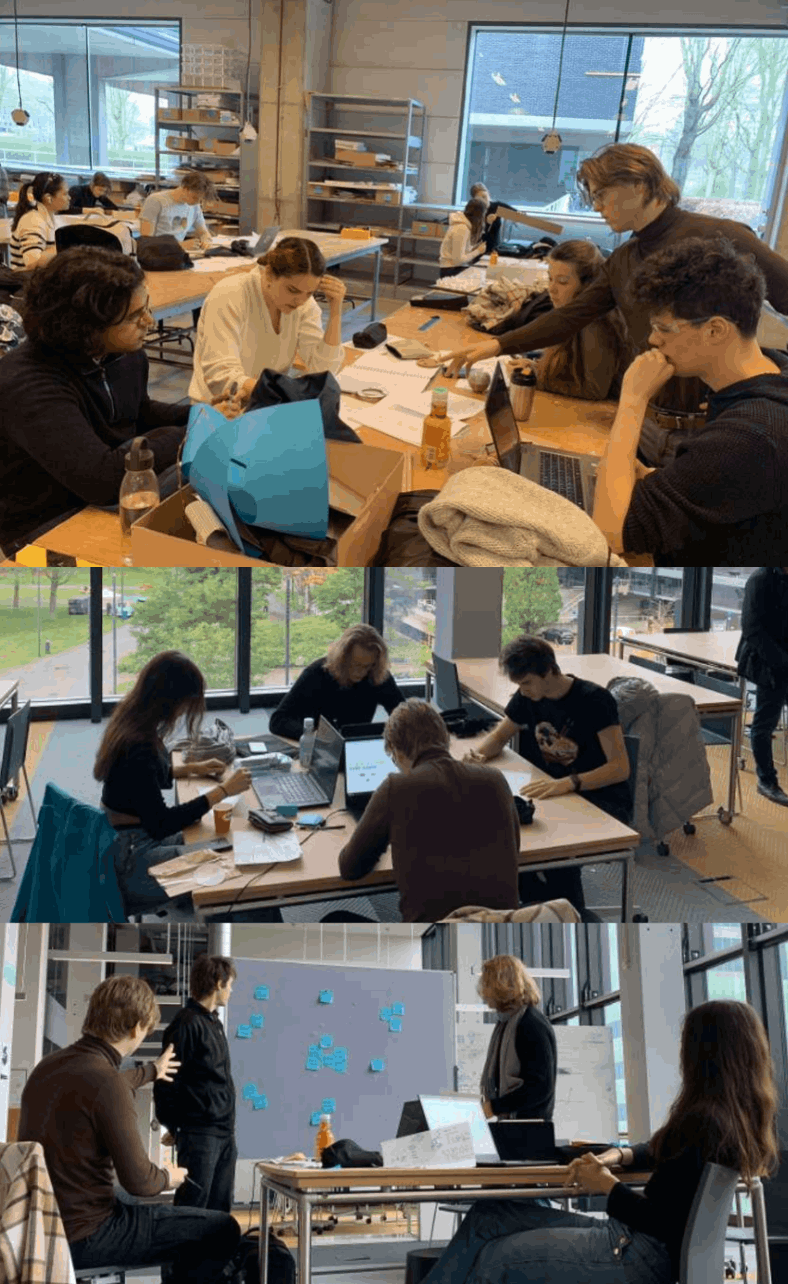
In teamwork I favor a design thinking approach, often focused on identifying a valid design context, problem, and solution. Inherently I gravitate towards a mediatory role in the team, focusing on establishing a nuanced and catered understanding of how a team can operate best and divide roles. Sometimes this leads to me taking a chairman/managerial role, but this is not guaranteed and an equal power division and liquidity in teamwork have been proven to be effective also in my experience. Though its drawbacks are also present: no clear goal in meetings and long meetings are easy pitfalls. A team needs to track their work and adjust their design goal frequently in earlier stages in order to find common ground, understanding and ultimately: progress.
When designing, I have a certain determination to make ideas work. The strength in this is that ideas always have an opportunity to grow into something worth defending, however the corresponding weakness is that this often reduces the flexibility of any given thought or solution direction by always looking at it through the lens of a predetermined idea. This is especially prevalent during the realization phase, where I now strive to balance conviction with adaptability by setting checkpoints for re-evaluation. This lack of flexibility is causational from my drive for high-fidelity deliverables. I place a substantial amount of weight on the aesthetics and presentation of concepts and design. While this emphasis on aesthetics can elevate the perceived quality of a design, I’ve come to understand the importance of prioritizing the core function and usability of concepts. Moving forward, I am actively working on aligning the level of polish with the maturity of the idea — investing more heavily in presentation only after the core value has been validated.
Overall, I am a user experience designer who leverages high-fidelity visualization and design thinking to help small businesses stand out in crowded markets through unique concepts, brand identity and clear market positioning.
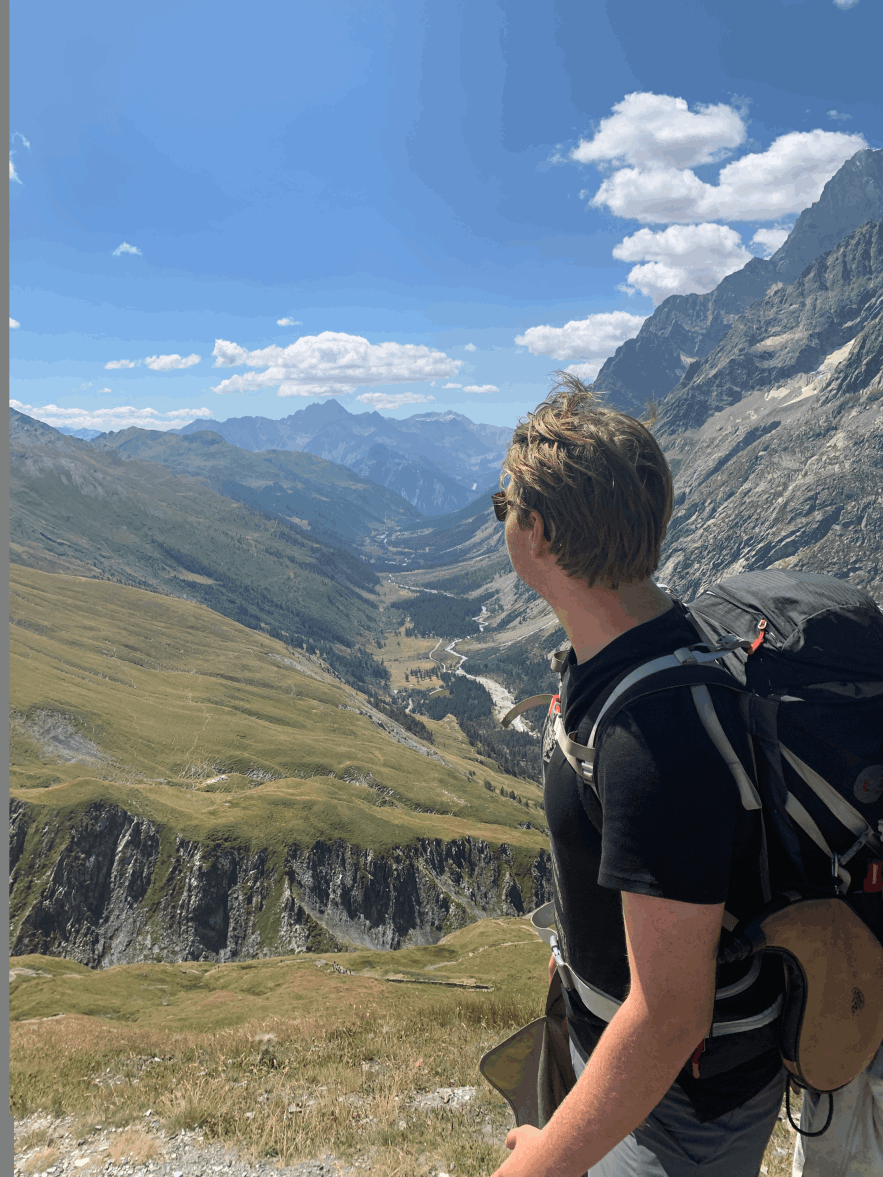
In a world of growing monopolies and mega corporations, startups and small businesses face increasing difficulty in getting their foot through the door and securing their spot on any given market. It’s my belief that creating space for small businesses—not only through legislation but also through innovative business models and unique value propositions—will create a better distribution of market power and revitalize competition across all markets. For this reason, I want to help startups foster success and overcome modern day market crowding through innovation and unique positioning.
Finding and creating this unique market space usually involves complex problems and design contexts. In this ever-complicating world, this requires more than just a business model and revenue streams. Over the course of my bachelors, I've come to understand that at the core of good startups is design, standing as the foundation of a company: it implies a fluid approach and a focus on understanding and building with the end-user in mind. This nuanced and ever evolving understanding of the value proposition and the design goal is what effectively tackles complex problems and is exactly what I want to see reflected in startups and small businesses. My belief in this approach is inspired from ID lectures at the TU/e and writing from ex IDEO designer Steve Vassalo on entrepreneurship and startup culture.
This design thinking approach is how companies manage to keep up with evolving problems and in some cases even define the new status quo. For example: Netflix, previously known as a DVD rental by-mail service company, defined the now standardized medium for video entertainment by seeing and daring to take the opportunity that streaming movies as a service offered (Kemerer & Dunn, 2017). It is through empathy and deep context that problems can be understood, reframed, and solutions iteratively refined to create unique value propositions. This holistic approach inspires me to approach problems with an opportunistic & curious mindset.

Drag and Drop Website Builder